

Humility: Kill Your Inner Narcissist, Not Your Self-Esteem
Humility is a social lubricant and stress buster, but missing the mark is self-defeating. Here is how to get it right.

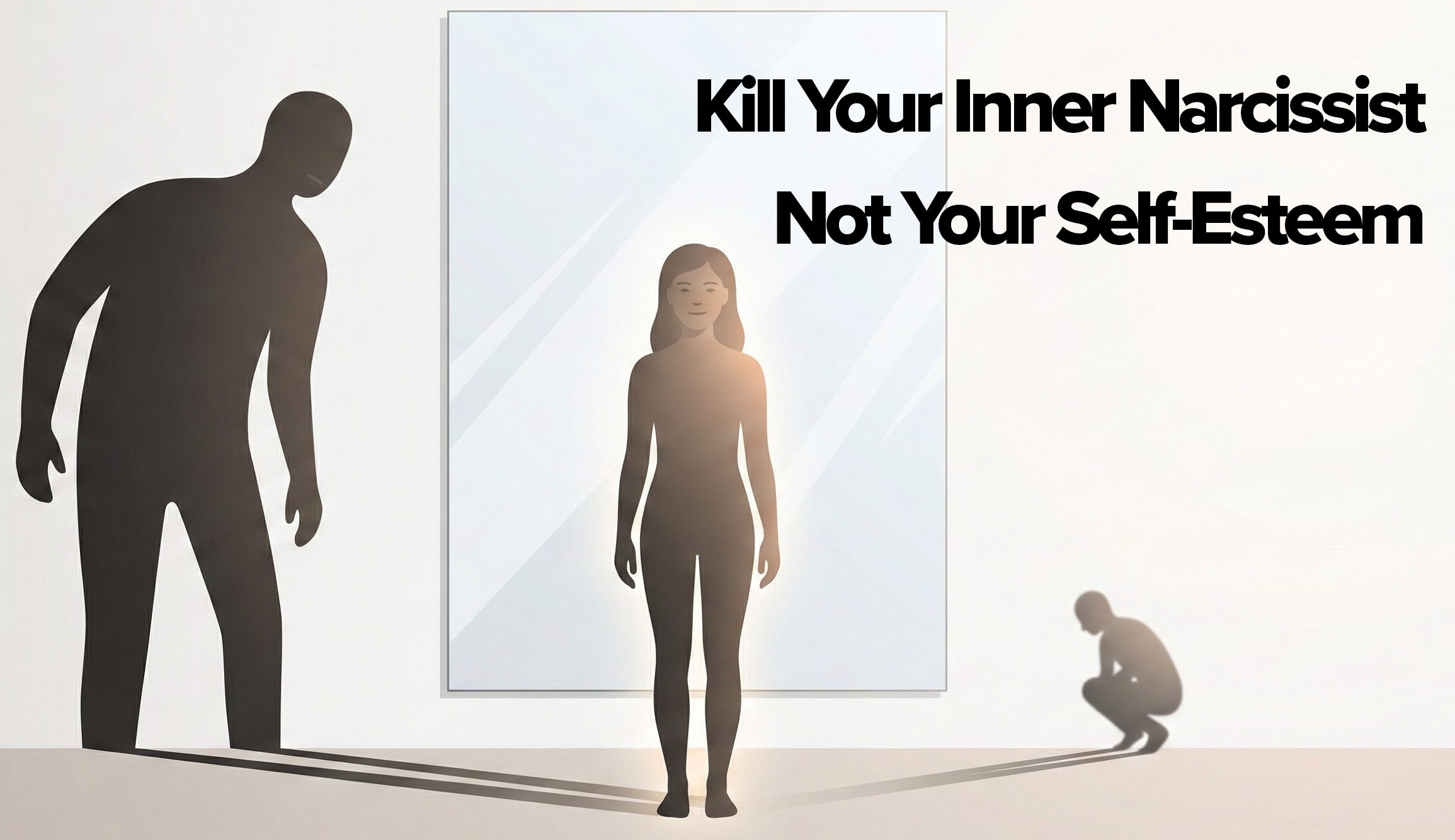
Humility is prized and misunderstood.
Christianity says it is the mother of all virtues.
Buddhism says it is the path to less suffering.
Confucianism says it is the foundation of self-improvement.
Psychology says humility is highly beneficial for individuals and their relationships.
From an evolutionary perspective, it makes sense as well. Cooperation became more valuable as we began to form larger societies 12,000 years ago. Humility paves the way to cooperation.
Humility still doesn’t come naturally. For millions of years, we evolved in a world where the ego was a winning adaptation. Humility stands in opposition to our wiring and needs emphasis to drive adoption.
What Is Humility
The dictionary definition leaves a lot to the imagination.
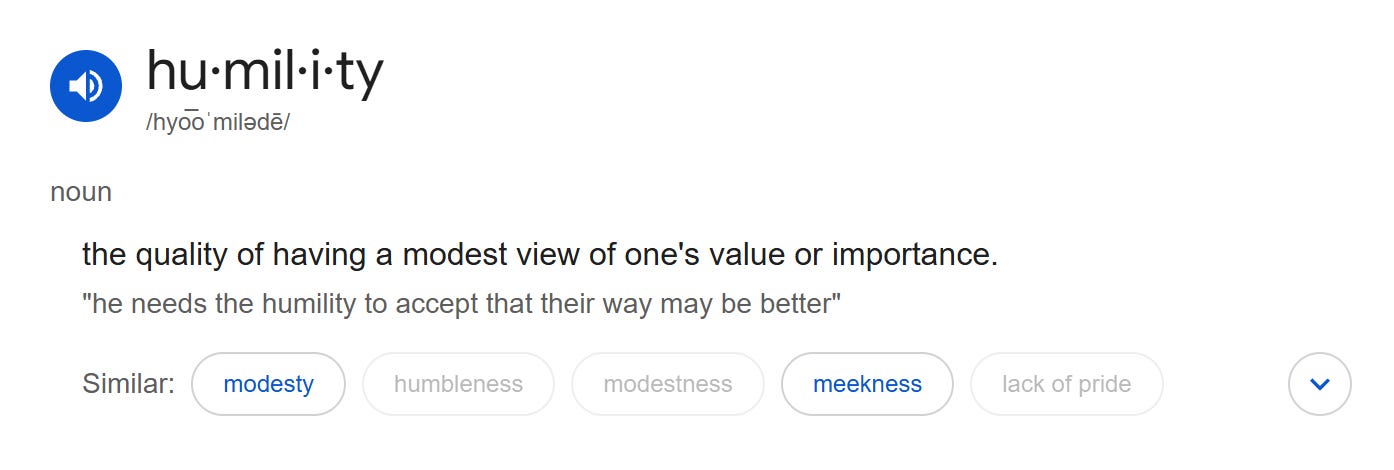
Its definition in science and wisdom traditions varies, but it’s always tied up in the concept of the self.
Christianity says it is the submission of self to god.
Buddhism says it is egolessness, no self, no comparison.
Confucianism says it is self-correction through modesty and deference.
Psychology says it is accurate self-awareness and low self-preoccupation.
The view of the self is different as well.
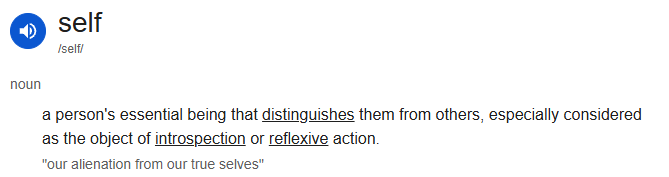
Christianity says the self is real, but fallen and dependent on God.
Buddhism says the self is an illusion, a collection of fleeting parts on loan.
Confucianism says the self is real, but defined by social relationships and roles.
Psychology says the self is real, but often distorted.
Benefits of Humility
The proposed benefits vary.
Christianity says it enables us to receive the grace of God, participate in the divine life, and inherit the kingdom of God.
Buddhism says it dismantles the illusion of self (ego) with the goal of liberation from suffering.
Confucianism says the moral refinement it affords is the basis for a harmonious society.
Psychology shows that it provides many benefits to our growth and well-being.
Having humility improves our relationships. Our most cherished relationships are with people who recognize our dignity as human beings. Relationships with self-centered people are transactional. Always about self, and what we can get from others. Ick.
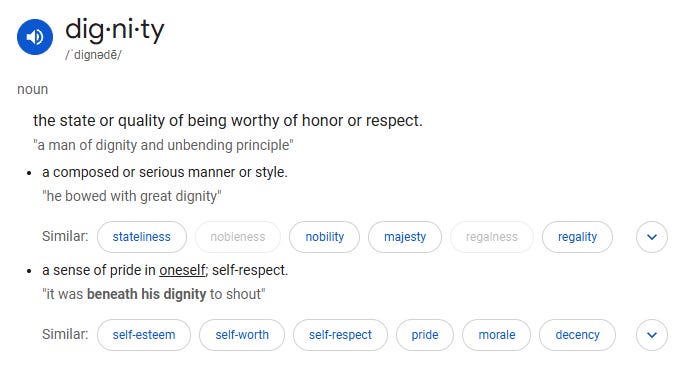
Personal growth is enabled by humility. We need to acknowledge our shortcomings to grow. The healthy relationships that humility fosters give us enhanced self-awareness through feedback.
Humility enables a better life by cutting stress. Think about all the friction we feel from feeling entitled and offended.
“Humility is the great friend of progress.” - Mahatma Gandhi
Humility is a ward against the shame that follows bouts of narcissism.
Leaders and their followers feel the benefit. Humility allows leaders to see things from everyone’s perspective. They are more likely to take advice and make decisions that benefit everyone.
Humility Gone Bad
Beware of adopting distortions of humility. They arise from misunderstandings, personal issues, and expectations we accept from others.
Humility is not weakness. It is not indecisiveness. It is not failing to assert oneself. These things are meekness.
Meekness is fear, failure to recognize the value of your contributions, or both. Neville Longbottom from the Harry Potter series is a good example of someone who started meek and grew out of it.
Nobody is superior, nobody is inferior, but nobody is equal either. People are simply unique, incomparable. You are you, I am I. Osho
Humility is not low self-esteem. Michael Scott from the office is an example of low self-esteem. He was constantly seeking external validation and doing ridiculous things to compensate for his low self-esteem. We are all born with worth. We all fall short of perfection, yet we all still deserve respect.
Modesty is another term conflated with humility. Modesty is the outward behavior, while humility is the internal attitude.
Cultivating Humility
We must actively develop and maintain our humility. It doesn’t come naturally. Thankfully, there are many ways to exercise it, by ourselves or with others.
Mindfulness fuels the self-awareness required for humility. Checking in with our thoughts and emotions allows us to see what’s going on beneath the surface. Pairing this with self-compassion makes it easier for us to see our faults.
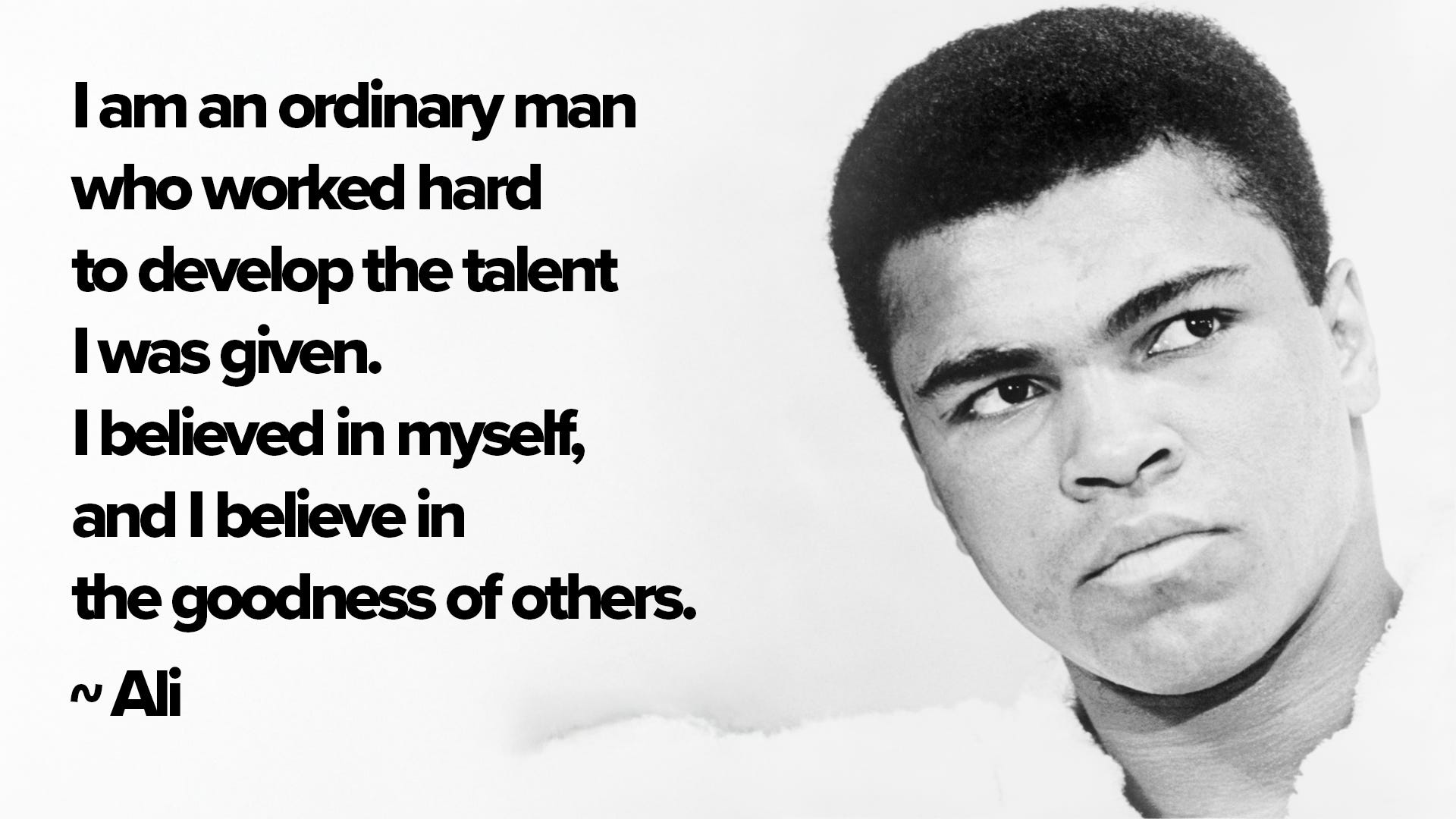
Write about the things gifted to you through grace. Factors beyond our control always pave the way for our gifts and successes. Focusing on this builds gratitude for others. It centers our self-esteem on what we control: our effort.
“True humility is not thinking less of yourself; it is thinking of yourself less.” - C.S. Lewis
Put more focus on others. Less on ourselves. When we think too much about ourselves, we get lost in our stories, which aren’t always true. We miss opportunities to connect with others. The relationships we build through that outward focus provide growth opportunities.
When we invite and accept feedback, we grow our self-awareness. We anchor ourselves in reality when we share credit for our successes and admit fault for our failures. When we assume the best intentions of others, we are recognizing the limits of our understanding.
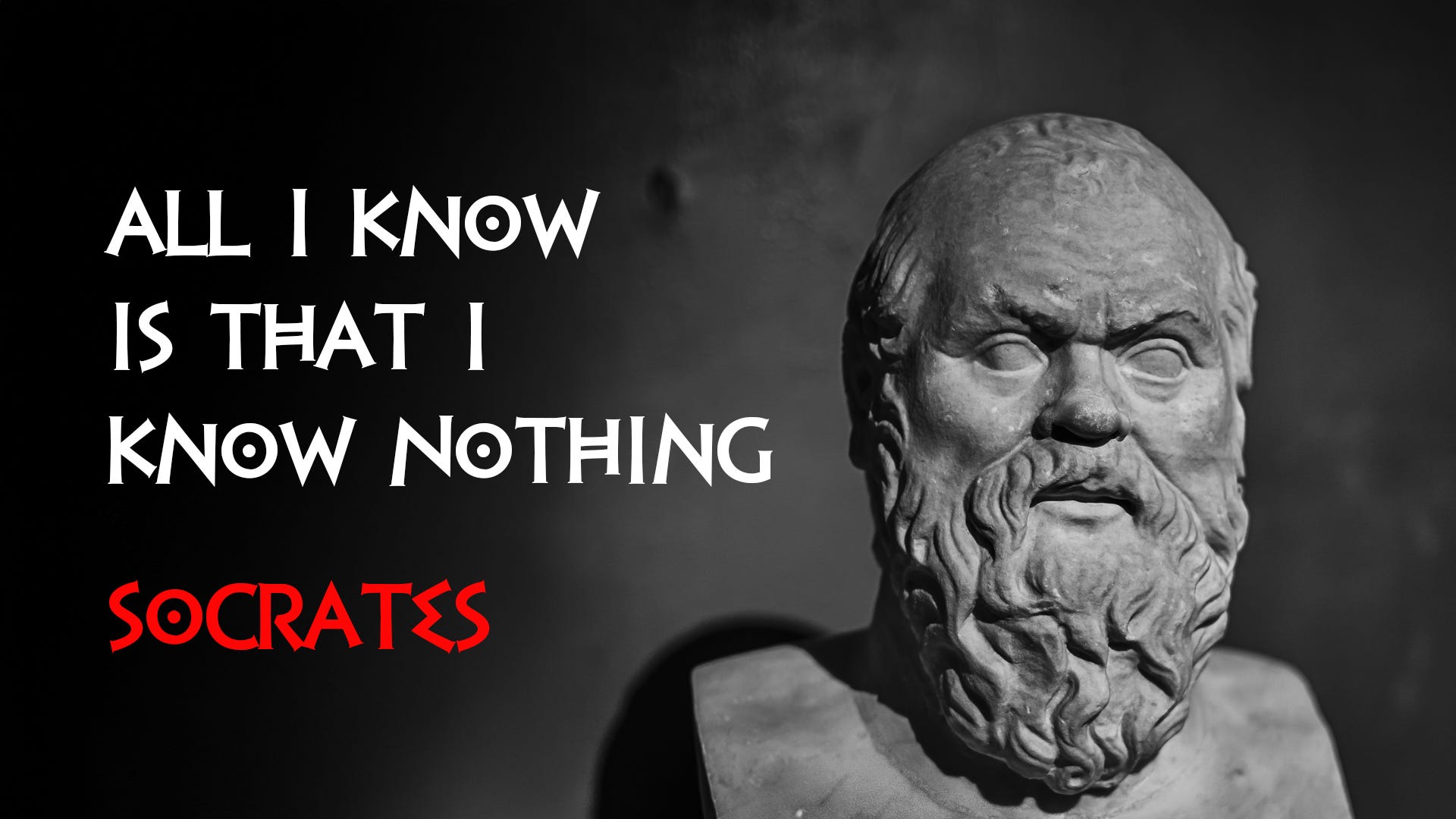
Intellectual humility is a variant of humility. It is recognizing the limits of our own knowledge. Viewing our knowledge as separate from our identity allows us to change our minds without having to navigate changing who we are. Exercise it by engaging with opposing viewpoints.
Wrap
I grew in a few areas as a result of writing this.
I noticed moments of entitlement and the stress that came with them. I used my emotion as my cue to be mindful. To drop the story I was creating in my mind and tune into the beliefs it was made of. Did I really deserve a different outcome? Even if I did, what use was the anger that came from a frustrated sense of what I deserved?
I also noticed moments of meekness in myself and others. Not wanting to inconvenience others. Oftentimes, people who were doing a job, or were willing to lend a hand if asked.
We need humility. It feeds the self-awareness required for satisfaction and success.
We’re not playing the game of life alone. The cooperation it enables is a winning move.
It can’t lead to low self-esteem. If you don’t recognize your worth, others won’t.
It can’t be an excuse not to exercise our agency. You can’t let fear guide your life.
We all have worth. It’s our job to share that with the world. A well-tuned sense of humility helps us do that.
~T