

Time To Make the Most of Time
Time is all we got and it's not a lot. Let's talk about how to warp it in your favor. Not in terms of productivity, but in terms of a positive experience of living.

It’s About Time
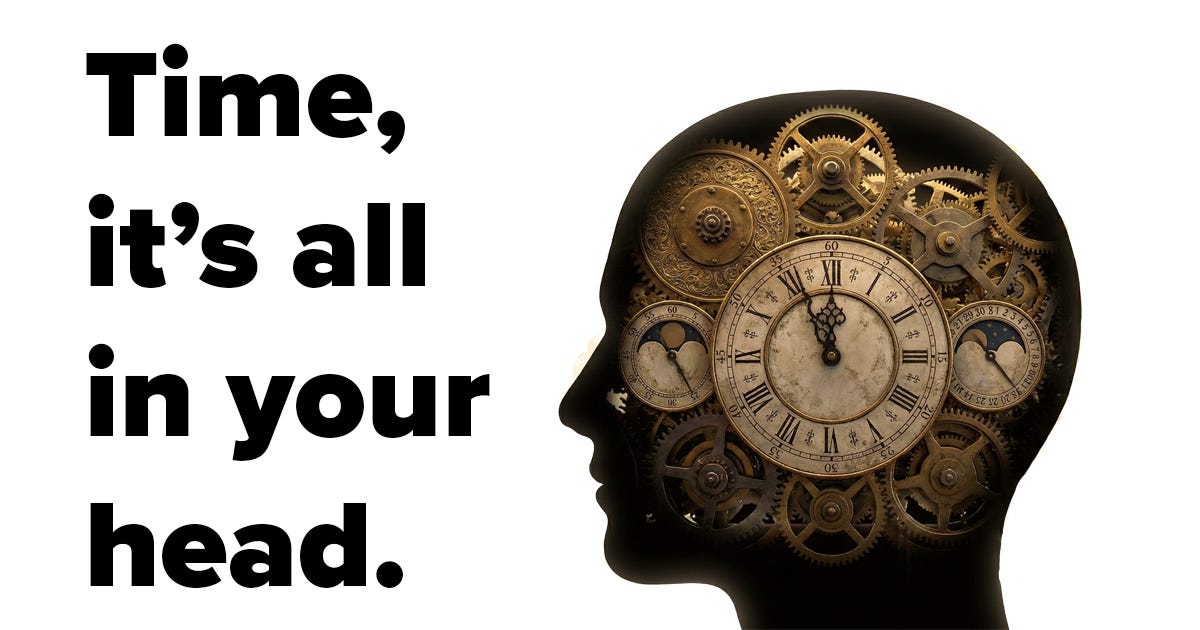
Time is the most important thing you’ve got. Its value is high because you can’t see it, you have no idea how much you’ve got, and without it, you’ve got nothing.
While no guarantee, your chance of having more time is significantly increased if you take care of yourself. You can research deathbed regrets to make the best use of what you’ve got. A lot of advice about time focuses on productivity. Getting more done can give you more time, but more isn’t always better.
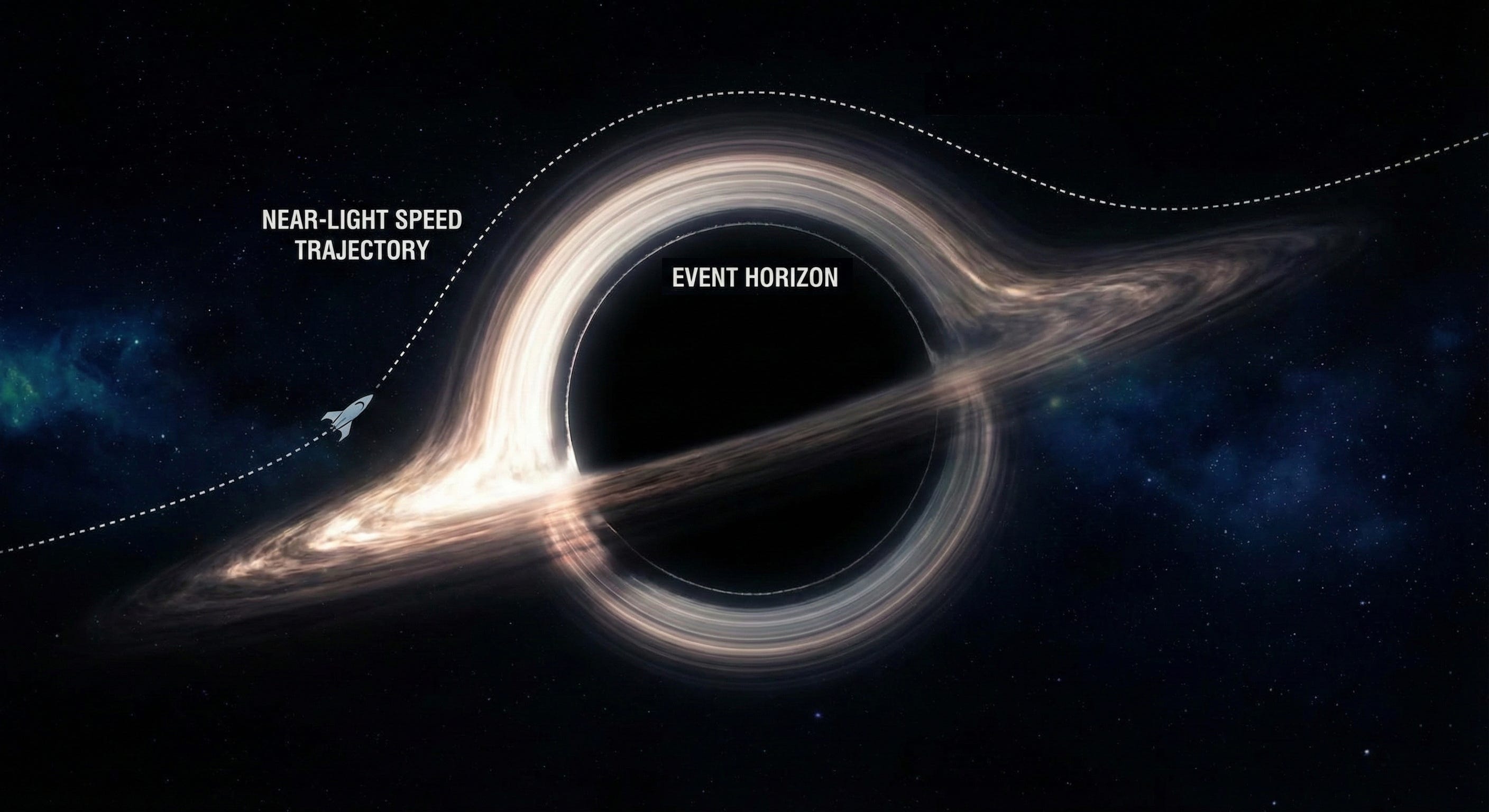
We know you can change the pace of time. Einstein’s Theory of Relativity tells us that time slows the faster you go, or the stronger the gravitational pull. It’s great to know you can alter time, but none of us is likely to visit a black hole or travel near the speed of light.
Thankfully, you can change how you experience time. That can go a long way towards a happier, more fulfilling life. The human body has two clocks that contribute to our perception of time. A chronological clock that tracks real time and an experiential clock that measures emotion, novelty, and meaning.
Let’s dig into the second clock and see how we can change our perception of time and make it feel like we have more.

Oddball Effect
Novelty wakes up our brains, forcing us to pay attention. Lack of novelty is why time seems to go faster as you age. You tune out moments of the day. Your brain has fewer memories to encode, and looking back, we wonder where the time went.
Actionable Steps
Change something small every day. Use a different cup, change your commute, or wear something you usually don’t. Lean into the experience.
Find Wonder
Give yourself the experience of awe. Research suggests this is one of the emotions that expands time perception. When we experience something vast or complex, it challenges our perspective of the world and time itself.
Actionable Steps
Observe massive things. Anything from large buildings to mountains. The scale of them, compared to your own, helps reset our perception and make room for awe.
Spend time observing a natural feature, such as the stars, a large body of water, or complex trees.
Dead Time
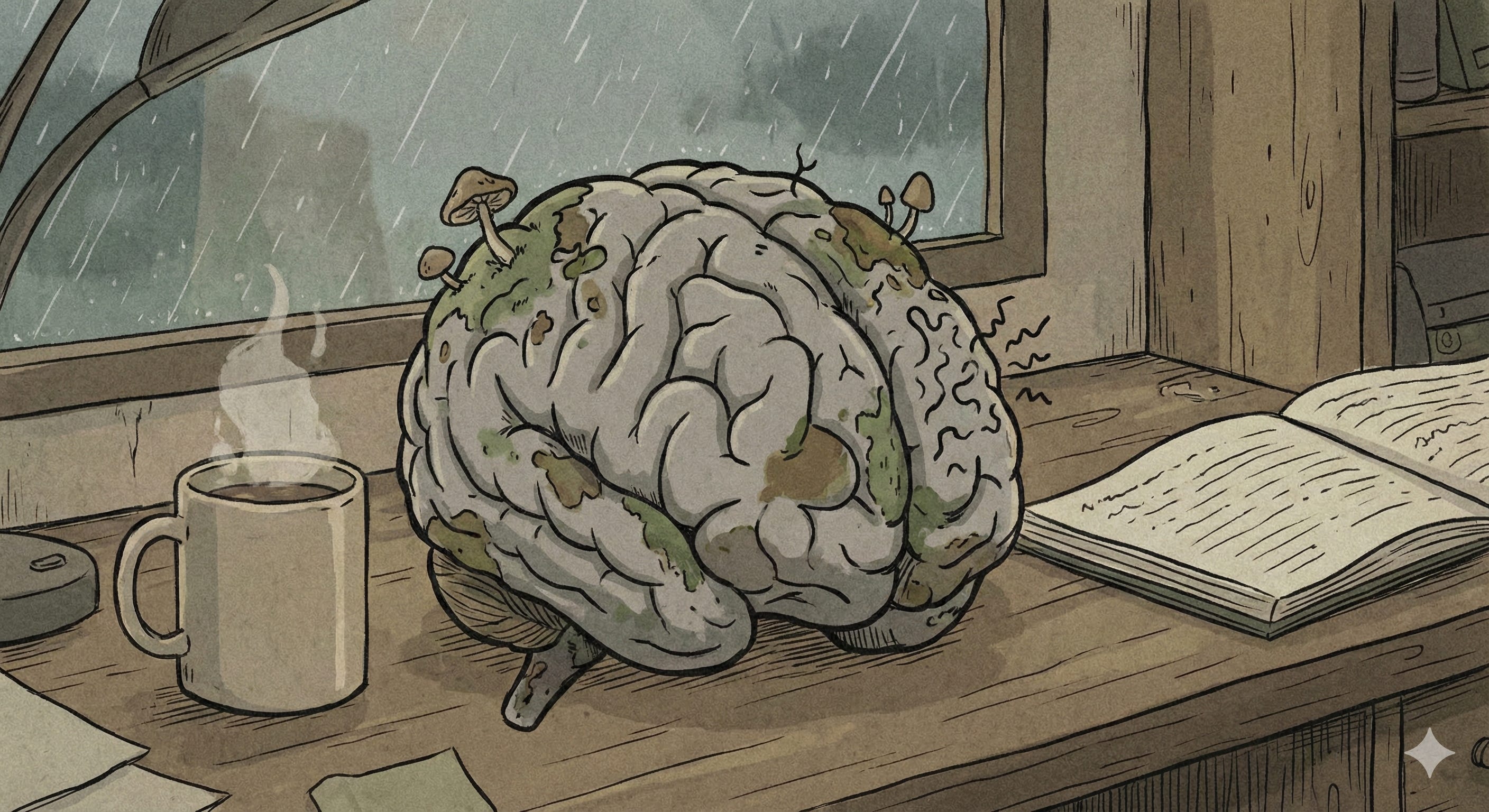
Brain rot is not your friend. Passive consumption of low-engagement content sedates us and tunes us out. Small, steady doses of easy dopamine give us the impression of value. Time flies by without any value added to your life or memories to look back on.
Actionable Steps
Take time away from technology altogether.
Put boundaries on easy dopamine sources like social media. Set a timer or use apps like StayFree to help you monitor and limit your use.
Arousal
There is a link between our state of physical arousal and the perception of time. In times of danger or stress, time slows. If you’ve ever been in a car accident or similar situation, you’ve likely experienced this. There are ways to use this without the near-death experience.
Actionable Steps
Exercise is guaranteed to get your heart racing. The more intense, the better. Know your limits.
Cold showers have a way of emptying your brain and putting you entirely in the moment. They also juice your adrenaline.
One Thing At a Time
In the name of productivity, we multitask nearly constantly. We also do this intentionally to speed up time during work by listening to music. This speeds up time to our benefit. Other times, this works against us. Watching TV while eating? You don’t experience either as much as you could.
Actionable Steps
Limit multitasking; when you do something, do only that.
Use your senses to take in as much of the environment as possible.
Take a beat between activities, recall what you just did, then clear your mind before moving on to the next thing.
In Review
Time perception works differently in the moment versus looking back. To make time feel longer in review, we need to make more memories and store them.
Actionable Steps
Before bed, work backwards through your day. This recall will help your brain encode the memories while you sleep.

Incorporating some of these techniques will help you get more life out of the 24 hours you have each day. Layering all of them into your days could even give you more days. All without leaving the comfort of your home planet.